The Art Collection
The Masters Gallery highlights three of the most celebrated Filipino visual artists: masters of the brush who celebrate the Filipino life ways, history, and myths with compelling images in their unique individual styles.
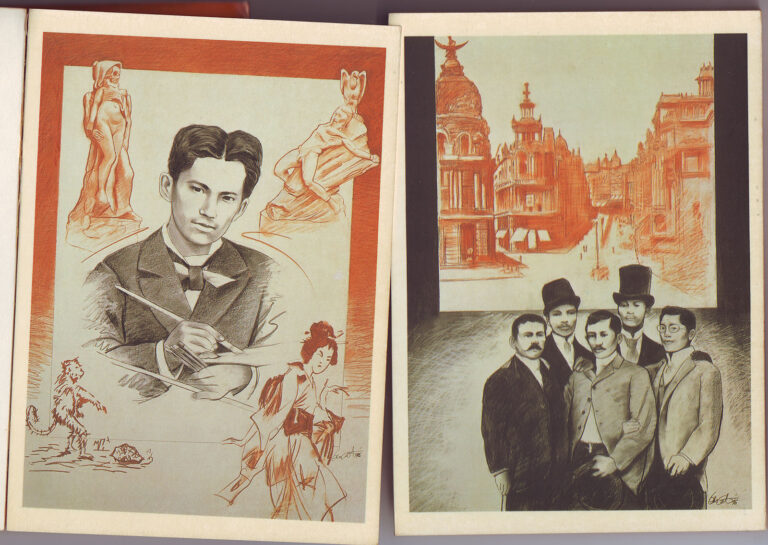
Juan Luna (1857 – 1899) represents the Filipino’s highest achievements in the international art scene during the 19th century. He remains unsurpassed by any Filipino or Asian artist up to the present. His academic-classical style represents a high point of western influence in Philippine visual arts.
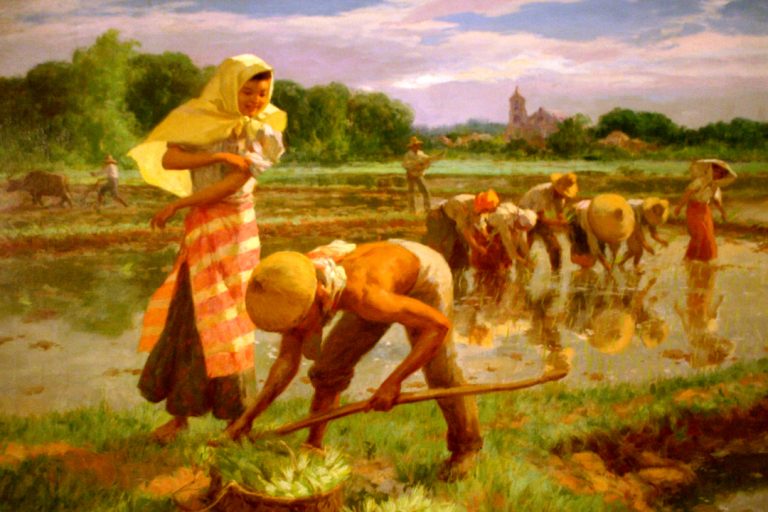
Fernando C. Amorsolo (1892 – 1972) represents the mastering of the Filipino genre painting, celebrating key features of high and popular culture—beauty, nostalgia, pageantry, the fantasy of how the Philippines was, and the dream of how it should be.
Carlos “Botong” Francisco (1913 – 1969) represents the high point of mural painting in the country, and is often called the greatest muralist and modernist the country has produced. His elegant draftsmanship and flair for sensuous shapes and complex design, coupled with the popularity of his themes, glorify community life and love of country and vividly record the legendary courage of the ancestors of our race.
The Yuchengco Group of Companies (YGC) Corporate Collection
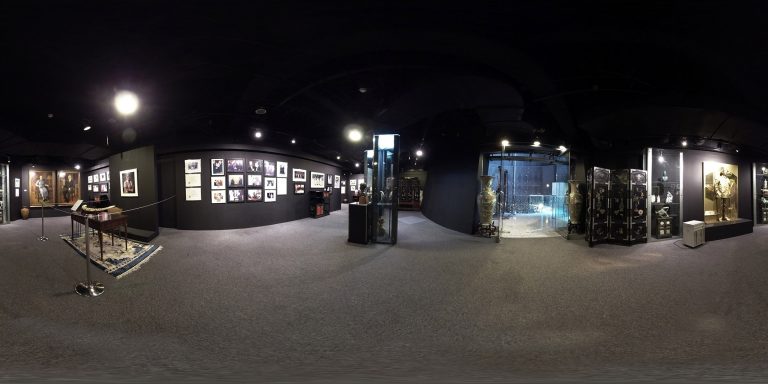
Now part of the Museum’s permanent collection are key art pieces from the YGC executive offices. The collection consists of works by Filipino Modernists such as Anita Magsaysay Ho and by National Artists of the country Victorio Edades, Ang Kiukok, Napoleon Abueva, Vicente Manansala, Cesar Legaspi, and Jose Joya to name a few. The YGC Collection also has a sizeable number of works in the folk genre by Norma Belleza, Angelito Antonio, and Manuel Baldemor, and prints by Manuel Rodriguez, Sr. and Boy Rodriguez. Some thematic exhibitions periodically presented in the museum feature these pieces.
Museum Themes
Sino-Filipino ExpressionsThis series brings to the fore excellent artistic and creative expressions by Chinese Filipinos, and looks at the best attributes of a twin-heritage: Chinese ancestry where virtues of hard-work, skill, and craftsmanship are highly regarded, and the Filipino’s highly expressive and adaptive sensibility. As a means to foster greater appreciation and establish connections, the series likewise engages the viewers in a continuing dialogue on the Chinese Filipinos’ unique vision and view of their identities, of their country and its people, and of the world.
Complementing the presentation of Sino-Filipino exhibitions, Chinese traditional painting workshops on Shui-Mo or “ink and water” painting are conducted regularly.
Bridging CulturesCulture and its many expressions have always been a bridge to foster a deeper understanding between peoples. As exhibition venue, the Museum serves as a cultural bridge to the regional Asian and Pacific Rim communities. International visiting exhibitions highlight dynamic and evolving cultures of the world. From political, historical exhibitions, contemporary visual arts, and traditional arts and crafts to innovative trends in art, design, and popular culture exhibitions, a survey of a regional worldview is observed, helping the Filipino define and assert his place globally.
Design as Art, Art as DesignTo be truly great, a design must express its utility in such a way that the aesthetic debate—whether form precedes function or vice versa—is non-existent. When form and function are perfectly integrated in a single object, design excellence is achieved. Designers practice across numerous creative fields and bring into their best work a sensibility specific to their own culture—a distinctive form, a particular detail, an attitude. They share this sensibility with us as we use their creations, thus introducing and filling the need for art in everyone’s lives. Through this series, the Museum intends to define excellence in both expressions in a variety of forms, reviewing a mix of foreign or home-grown influences on art and design.